Nursing Week 2026
Nursing Week 2026 was celebrated from May 11 - 17 with International Nurses Day on Tuesday, May 12.
National Nursing Week (May 11-17, 2026) is an annual celebration that recognizes the important contributions of nurses to people’s health and wellbeing.
This year's theme, adopted by RNAO from the International Council of Nurses, is Empowered Nurses Save Lives.
In keeping with that theme, RNAO and its chapters, regions without chapters, and interest groups organized an exciting lineup of free events that offered something for every nurse and nursing student.
These events highlighted the expertise, leadership and impact of registered nurses (RN) and nurse practitioners (NP) across all sectors of health care. Nurses also raised awareness about the vital role they play among members of the public, policymakers and government.
Empowered nurses save lives
As we celebrate Nursing Week 2026, the Registered Nurses’ Association of Ontario (RNAO) honours registered nurses (RN), nurse practitioners (NP) and nursing students everywhere. Your expertise and unwavering commitment help strengthen communities and transform lives. Whether you educate the next generation of nurses, provide direct care, lead teams and organizations, or advance research and policy – your knowledge, skill, courage and compassion shine through our profession and make us all proud.
Your passion for people and for nursing shapes safer care and better outcomes for all. Empowered nurses save lives. Powered nurses impact health systems in Ontario, across Canada and around the world.
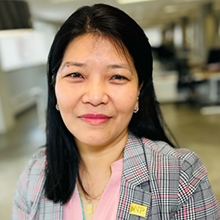
NP Lhamo Dolkar,
RN(EC, MN, CCN
RNAO President
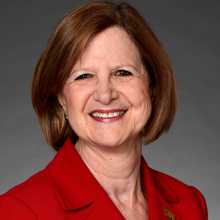
Dr. Doris Grinspun,
RN, BScN, MSN, PhD,
LLD(hon), Dr(hc), DHC, DHC,
FAAN, FCAN, O.ONT
RNAO CEO
You drive evidence-informed solutions, address urgent health concerns, amplify the connections between health, social and environmental factors, and advance policy changes through persistent, principled advocacy. You advance equity, diversity and inclusion with your trusted voice and everyday practice – challenging inequities, fostering culturally safe care, and making sure all people are seen, heard and supported.
This Nursing Week, RNAO invites all RNs, NPs and nursing students to take a moment to reflect on the power of your work and your voice. As a collective, RNAO commits to you at every stage of your nursing career to advance concrete improvements for nursing and health. Together, we can and must build stronger, more equitable health systems where nursing flourishes and everyone receives the care they need and deserve. Happy Nursing Week to each and all!
Past events
Posters

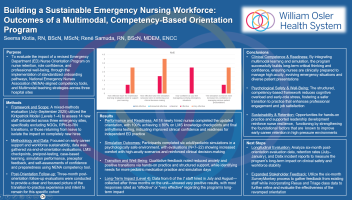
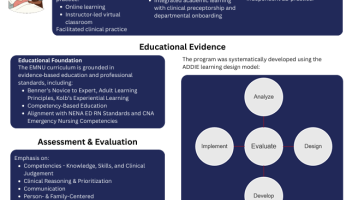
Purpose: To evaluate the impact of a revised Emergency Department (ED) Nurse Orientation Program on nurse retention, role confidence, and professional well-being, through the implementation of standardized onboarding pathways, National Emergency Nurses Association (NENA)-aligned competency tools, and Multimodal teaching strategies across three hospital sites.
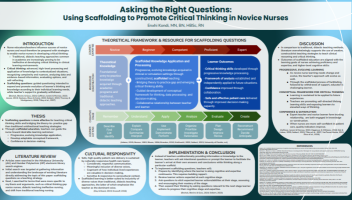
Nurse educators/teachers influence success of novice nurses and must therefore be prepared with strategies to enable novice nurses in developing critical thinking. Traditional, didactic teaching approaches common in academia are increasingly proving to be ineffective at developing critical thinking in clinical learning environments. Critical thinking: advanced, high-level processing and application of knowledge to contextualized situations, recognizing complexity and nuances, analyzing data and evidence-based information, evaluating options, and self-reflecting.
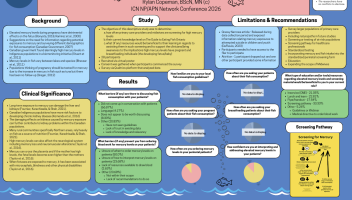
The objective of this descriptive study was to determine : a.) how often primary care providers and midwives are screening for high mercury levels b.) their current knowledge level on The Guide to Eating Fish Ontario c.) what (if any) resources would be beneficial to their learning in regards to assisting them in such screening and to support the clinicians/bring awareness to the implications high mercury levels have pregnant and breastfeeding individuals (the developing fetus/baby).
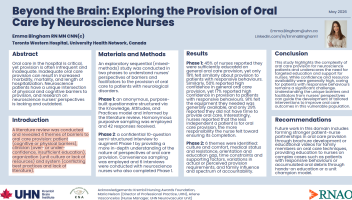
A literature review was conducted and revealed 4 themes of barriers to oral care provision: patient (cognitive or physical barriers), clinician (over- or under-confidence, insufficient education),organization (unit culture or lack of resources) and system (conflicting best practices and lack of literature).
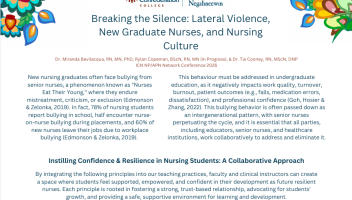
New nursing graduates often face bullying from senior nurses, a phenomenon known as "Nurses Eat Their Young," where they endure mistreatment, criticism, or exclusion. By integrating specific principles into our teaching practices, faculty and clinical instructors can create a space where students feel supported, empowered, and confident in their development as future resilient nurses. Each principle is rooted in fostering a strong, trust-based relationship, advocating for students' growth, and providing a safe, supportive environment for learning and development.
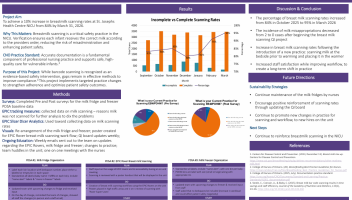
Breastmilk scanning is a critical safety practice in the NICU. Verification ensures each infant receives the correct milk according to the providers order, reducing the risk of misadministration and enhancing patient safety.
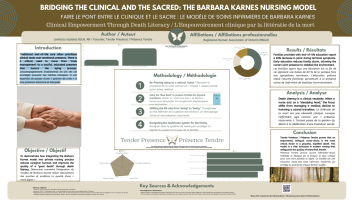
Traditional end-of-life care often prioritizes clinical tasks over emotional presence. There is a critical need to move from "crisis management" to a soulful, educated presence that honors the dying process. L'accompagnement traditionnel en fin de vie privilégie souvent les tâches cliniques. Il est essentiel de passer d'une « gestion de crise » à une présence attentive et éduquée.
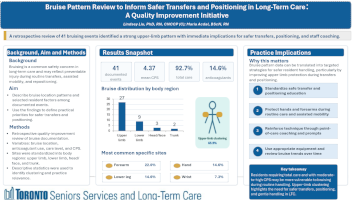
Bruising is a common safety concern in long-term care and may reflect preventable injury during routine transfers, assisted mobility, and repositioning.
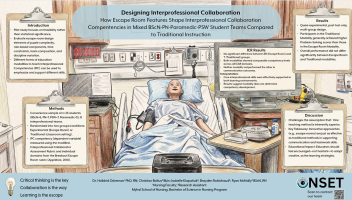
How Escape Room Features Shape Interprofessional Collaboration Competencies in Mixed BScN-PN-Paramedic-PSW Student Teams Compared to Traditional Instruction
Empowered nurses who use complementary therapies as part of their self care have less stress and fatigue, better emotional well-being, greater resilience, and improved quality of life; similar benefits apply to patients receiving complementary therapies.
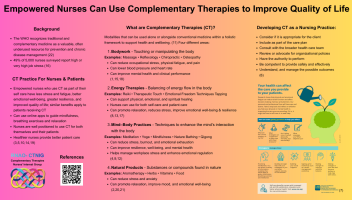
A poster about empowering Nurses and saving lives
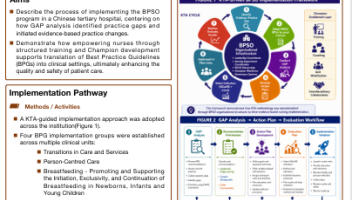
This poster describes the process of implementing the BPSO program in a Chinese tertiary hospital, centering on how GAP analysis identified practice gaps and initiated evidence‑based practice changes and demonstrate how empowering nurses through structured training and Champion development supports translation of Best Practice Guidelines (BPGs) into clinical settings, ultimately enhancing the quality and safety of patient care.
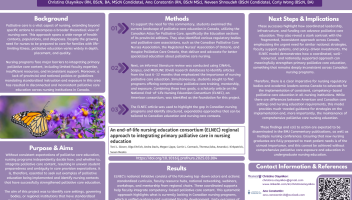
Without consistent expectations of palliative care education, nursing programs independently decide how, and whether to, integrate palliative care content, resulting in uneven student preparedness and ambiguity in care provision expectations. It is, therefore, essential to seek out examples of palliative education being implemented and identify nursing contexts that have successfully strengthened palliative care education.
Children and adolescents in inpatient mental health facilities often face emotional dysregulation due to crises and trauma. Traditional interventions like psychoeducation and medication may not fully meet their sensory and emotional needs. To address this, a sensory room initiative was created, providing a safe, trauma-informed space for individualized sensory regulation and emotional stabilization, aimed at improving patients' comfort and mental well-being.
Propuesta de un modelo de Vigilancia Clinica Avanzada para anticipar el deterioro de paciente antes de la crisis: la Clave Ámbar.
Specimen collection, labelling, and transport errors represent a persistent and preventable patient safety risk across acute care settings. These errors can lead to serious downstream consequences, including delays in diagnosis, inappropriate or delayed
treatment, repeat testing, and avoidable patient harm. At Humber River Health (HRH), the organizational commitment to delivering safe, equitable, and innovative care has driven a focused effort to better understand and address these risks.
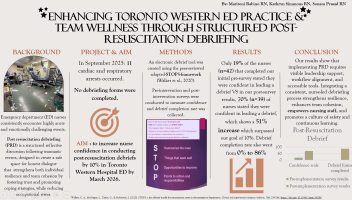
Emergency department (ED) nurses consistently encounter highly acute and emotionally challenging events. Post resuscitation debriefing (PRD) is a structured reflective discussion following traumatic events, designed to create a safe space for honest dialogue that strengthens both individual resilience and team cohesion by fostering trust and promoting coping strategies, while reducing occupational stress.
Las lesiones por presión (LPP) constituyen un indicador clave de calidad y seguridad del paciente. Su monitoreo permite evaluar tanto la efectividad de las medidas preventivas como la cultura de notificación en los equipos de salud.
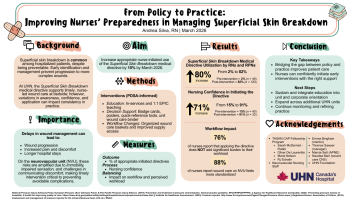
Superficial skin breakdown is common among hospitalized patients, despite being preventable. Early identification and management prevent progression to more complex wounds. At UHN, the Superficial Skin Breakdown medical directive supports timely, nurse led wound care at bedside; however, variations in awareness, confidence, and application can impact consistency in practice.
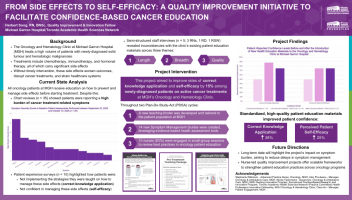
The Oncology and Hematology Clinic at Michael Garron Hospital (MGH) treats a high volume of patients with newly-diagnosed solid tumour and hematologic malignancies Treatments include chemotherapy, immunotherapy, and hormonal therapy, all of which carry significant side effects Without timely intervention, these side effects worsen outcomes, disrupt cancer treatments, and strain healthcare systems.
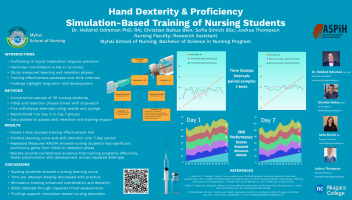
A study about simulation training to enhance coordination and dexterity in nursing students for the purpose of medication administration.
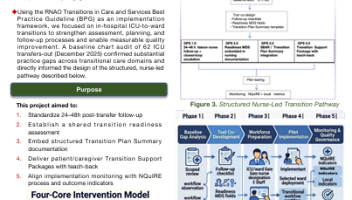
ICU‑to‑ward transitions are high‑risk events frequently associated with discontinuities in communication and post‑transfer support, leading to adverse events, care fragmentation, and increased unplanned ICU readmissions. While pre‑transfer handover processes are often established in many institutions, standardized post‑transfer collaboration and continuity practices remain highly variable and are frequently absent from routine workflows.
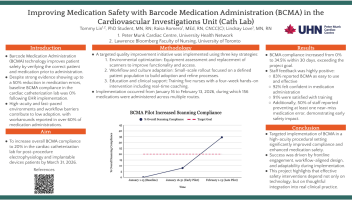
Barcode Medication Administration (BCMA) technology improves patient safety by verifying the correct patient and medication prior to administration. Despite strong evidence showing up to a 50% reduction in medication errors, baseline BCMA compliance in the cardiac catheterization lab was 0% following EHR implementation. High-acuity and fast-paced environments and workflow barriers contribute to low adoption, with workarounds reported in over 60% of medication administrations.
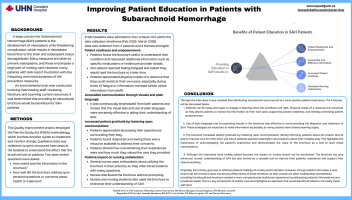
A large concern for Subarachnoid Hemorrhage (SAH) patients is the development of vasospasm, a life-threatening complication, which results in decreased blood flow to the brain and subsequent tissue damage/death. Many measures are taken to prevent vasospasms, and these encompass a large part of nursing care. However, many patients with SAH report frustration with the frequency and meticulousness of the prevention measures.
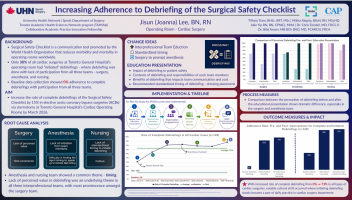
Surgical Safety Checklist is a communication tool promoted by the World Health Organization that reduces morbidity and mortality in operating rooms worldwide. Only 38% of all cardiac surgeries at Toronto General Hospital’s operating room had “initiated” debriefings - where debriefing was done with lack of participation from all three teams - surgery, anesthesia, and nursing.
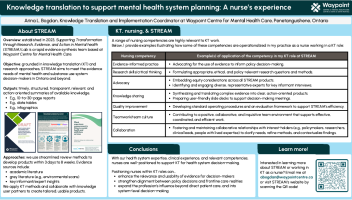
Established in 2023, Supporting Transformation through Research, Evidence, and Action in Mental health (STREAM) Lab is a rapid evidence synthesis team based at Waypoint Centre for Mental Health Care. Grounded in knowledge translation (KT) and research approaches, STREAM aims to meet the evidence needs of mental health and substance use system decision-makers in Ontario and beyond.
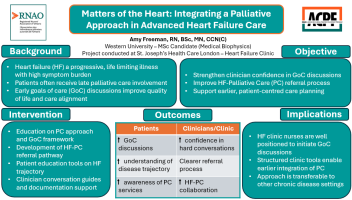
•Heart failure (HF) a progressive, life limiting illness with high symptom burden
•Patients often receive late palliative care involvement
•Early goals of care (GoC) discussions improve quality of life and care alignment
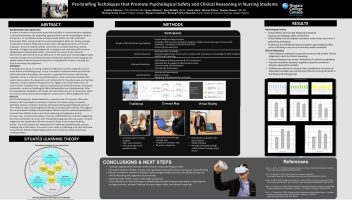
A review of research of simulation-based learning (SBL) in nursing education highlights a relationship between the prebriefing approach taken and the psychological safety of the learners. In this study, the research team aimed to determine to what extent there are differences in the experience of psychological safety between the type of pre-briefing techniques (Traditional, guided concept mapping, and guided mental rehearsal/practice using virtual reality)and the impact in carrying out clinical reasoning and judgement.
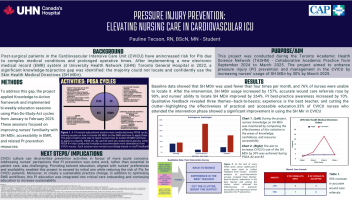
Post-surgical patients in the Cardiovascular Intensive Care Unit have an increased risk for pressure injuries due to complex medical conditions and prolonged operative times. After implementing a new electronic medical record system at University Health Network Toronto General Hospital in 2022, a significant knowledge-to practice gap was identified: the majority could not locate and confidently use the Skin Health Medical Directives.
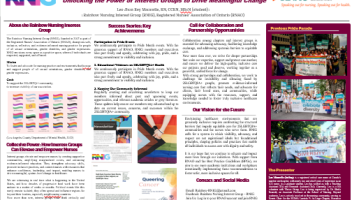
Interest groups elevate and empower nurses by creating supportive communities, amplifying marginalized voices, and advancing evidence‑informed education.
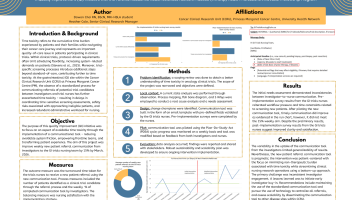
The purpose of this quality improvement (QI) initiative was to focus on an aspect of avoidable time toxicity through the implementation of a communicational tool - reducing avoidable system friction, empowering frontline teams, and transforming patient experience. The aim of this project was improve weekly new patient referral communication from investigators to the GI trials nursing team by 15% by March, 2026.
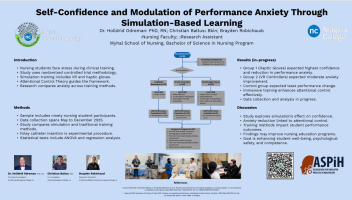
Study about traditional training vs. virtual reality and haptic gloves and the impact on performance anxiety.
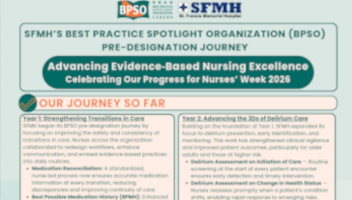
SFMH began its BPSO pre‑designation journey by focusing on improving the safety and consistency of transitions in care. Nurses across the organization collaborated to redesign workflows, enhance communication, and embed evidence‑based practices into daily routines.
The project aims to review essential nursing competencies and skills required for nurses working in rehabilitation units and develop a competency-based checklist for preceptors and preceptee to address the learning needs of the newly hired nurses.
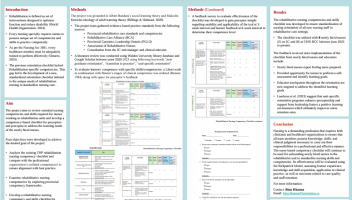
As care shifts to home and community settings, clients with complex needs often receive services from multiple providers, increasing the need for strong coordination and shared accountability. At Carefor, growing service complexity and multidisciplinary involvement highlighted the need to strengthen collaboration across our teams.
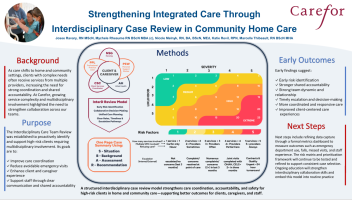
Healthcare workers routinely experience emotional load and moral distress across acute, community, and remote care environments. Structured debriefing is inconsistent, particularly in remote and community settings. Emotional strain contributes to burnout, sick time, and workforce instability.
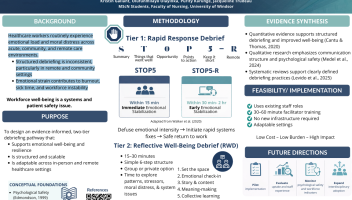
A focused ethnographic approach with a Complexity theory lens was used to examine ED nurses experiences in a community hospital after unexpected patient death. ED site observation and semi-structured interviews of six ED nurses allowed for the collection of thick rich data. Data were analyzed using thematic analysis where themes and sub-themes were construed.
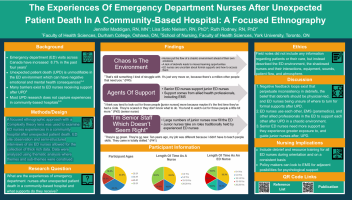
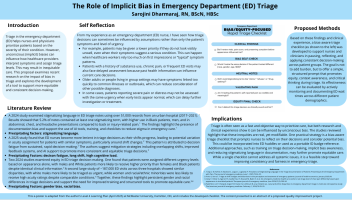
Triage in the emergency department (ED) helps nurses and physicians prioritize patients based on the severity of their condition. However, unconscious (implicit) biases can influence how healthcare providers interpret symptoms and assign triage levels. This may result in inequitable care. This proposal examines recent research on the impact of bias in triage and explores the development of a tool to support more equitable and consistent decision-making.
Presentations

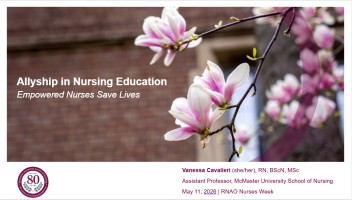
Slides from a presentation about allyship in nursing education.
Sides from a presentation about using scaffolding to promote critical thinking.

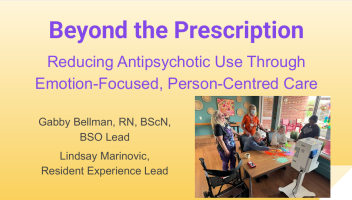
Slides for a presentation about antipsychotic medication reduction in a long-term care home.
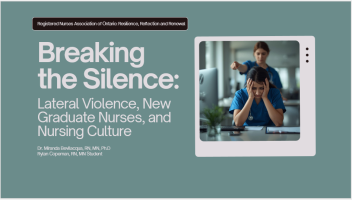
Slides from a presentation about lateral violence in nursing and strategies to combat lateral violence.
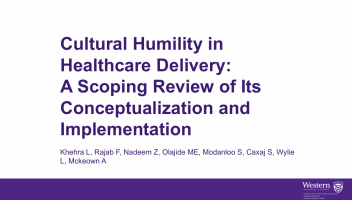
Presentation about a scoping review about cultural humility in healthcare delivery.
Information about the UHN Emergency Nursing Education Program
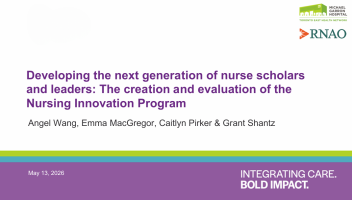
Slides for a presentation about developing the next generation of nurse scholars and leaders: The creation and evaluation of the Nursing Innovation Program at Michael Garron Hospital
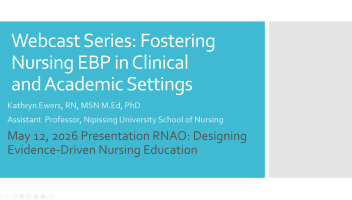
Slides from a presentation on creating webcasts that support foundational knowledge and skill development for evidence-based nursing practice in academic and clinical settings.
Presentation slides about substance use and aging.
Slides for a presentation about knowledge translation and the role of nurses' in knowledge translation.
Slides from a presentation on structural and social determinants of health.
Slides for a presentation about what a novice nurse learned while leading quality improvement in advance care plan documentation.