Image
On this page: Our journey | Members leading change | RNAO policy | Partnerships | Capacity building | RNAO media | Staff leading change
The initial discovery of unmarked graves of Indigenous children in Canada in May 2021 led to a nation-wide feeling of deep sorrow. These findings were overwhelming to Canadians and the global community. For school survivors and their families, it was horrific and re-traumatizing. This tragedy propelled Canada to reaffirm its commitment to address the 94 calls to action in the Truth and Reconciliation Commission report.
After the initial discovery, RNAO responded immediately, calling on the federal government to support and fund the Truth and Reconciliation Commission’s calls to action in a timelier way through its position statement on residential schools and the tragedies associated with them.
Today Indigenous communities are engaged in ongoing work to locate children whose deaths remain undocumented, and many former residential schools have yet to be examined. Support from all levels of government is needed.
Greater awareness of the blatant atrocities suffered by Indigenous Peoples also propelled RNAO to continue to sustain and expand its long-standing relationships with Indigenous communities and organizations to address the impacts of systemic racism, discrimination, and inequities in the nursing profession and health system that affect Indigenous health and wellness.
The Indigenous Health Program at RNAO continues to expand its partnerships with provincial and national Indigenous groups by developing and creating new best practice guidelines (BPG) with and for Indigenous communities. RNAO is also growing its Best Practice Spotlight Organization® (BPSO®) program by working alongside Indigenous health and social service organizations, weaving RNAO’s BPGs with local Indigenous traditions and knowledge to support community health and wellness.
As a professional nursing association, RNAO acknowledges that the nursing profession, and abusive treatment of Indigenous Peoples by nurses, is part of this history. For this, we apologize deeply and we commit to repair. It is important for the nursing profession to work towards collective action and reconciliation with Indigenous Peoples.
The blatant atrocities suffered by Indigenous people spurred RNAO to continue its long-standing partnership with Indigenous communities to address the impacts of racism and discrimination on their health and wellness.
The position statement speaks about how Indigenous children were forced to attend residential schools to indoctrinate them into the culture of the legally dominant Euro-Christian Canadian society. The children endured horrific abuse often resulting in death.
The discovery of unmarked graves of over 1,000 children uncovered on the grounds of former residential schools strongly echoes the truth that cultural genocide occurred.
The Truth and Reconciliation Commission of Canada identified 94 calls to action that address the ongoing legacies of colonialism that have had destructive impacts on the education, culture, justice system, and health of Indigenous Peoples. RNAO speaks to this tragedy and to the calls to action.
Indigenous Nurses and Allies Interest Group
RNAO further strengthened its commitment to the rights of Indigenous Peoples by introducing the Indigenous Nurses and Allies Interest Group (INAIG) in the spring of 2021. It marks an important milestone in RNAO’s efforts to support and learn about Indigenous health and practices. We know Indigenous nurse colleagues will help us promote inclusion in all our work.
Interest group chair
Victoria Guido
RN, BScN, MN student
Become an RNAO member to join this interest group
RNAO resolutions
Members can make their voices heard and help mobilize change by submitting resolutions to the association for consideration.
Mandatory Indigenous studies courses
Mandate Indigenous studies courses in the regular nursing school curriculum supported by College of Nurses of Ontario (CNO) nursing practice standard.
Advocate for the inclusion of the voices of knowledge keepers and Elders of First Nation, Inuit, and Métis people when teaching nurses and providing nursing and to establish and encourage Indigenous-led health service partnerships to improve wholistic health outcomes for Indigenous peoples.
June 25, 2021
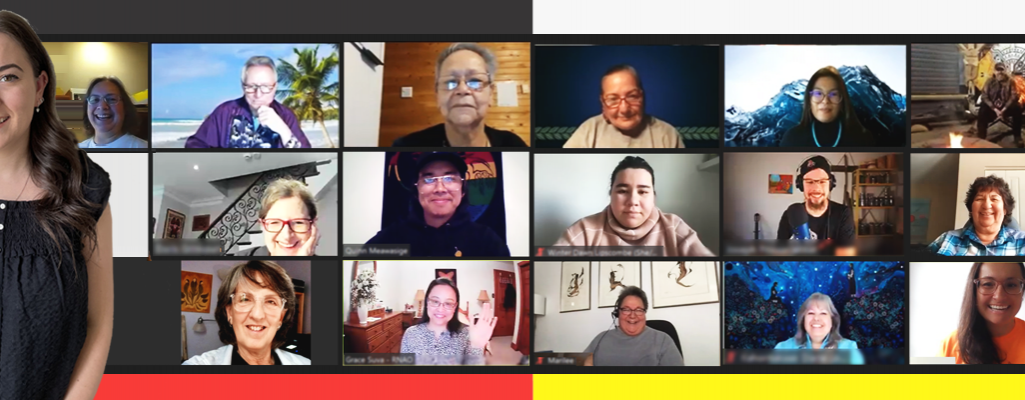
At the Annual General Meeting (AGM), a presentation on Blazing New Trails as Student Leaders was hosted by the Nursing Students of Ontario. Chantal Byrnes Leadbeater (top), Policy and Political Action Officer of INAIG and Rachel Radyk (bottom), RN, past Chair of INAIG are also featured.

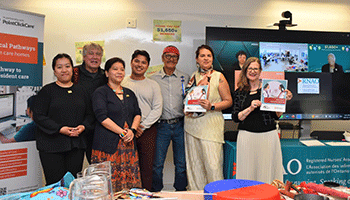
RNAO and IPHCC sign agreement
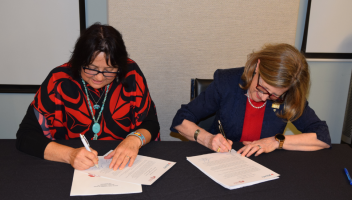
On May 16, 2024, RNAO and the Indigenous Primary Health Care Council (IPHCC) signed a relationship agreement that will introduce a Knowledge Keeper as a member of RNAO’s board of directors to provide an Indigenous perspective to RNAO’s governance work.
Read more
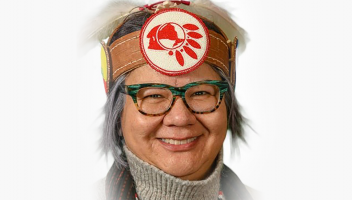
RoseAnne Archibald makes #HERstory
RNAO congratulates RoseAnne Archibald for her historic election as National Chief of the Assembly of First Nations (AFN) in 2021. Chief Archibald was the first woman to lead the assembly. The Assembly of First Nations current National Chief, Cindy Woodhouse, was elected in December 2023.
NAN Chiefs Assembly on Health Transformation and Governance
In March 2021, RNAO Past President Morgan Hoffarth attended a signing ceremony during the NAN Chiefs Assembly on Health Transformation and Governance, indicating RNAO will support Nishnawbe Aski Nation (NAN) taking control over its health care through the development of a health transformation process and its own health commission.
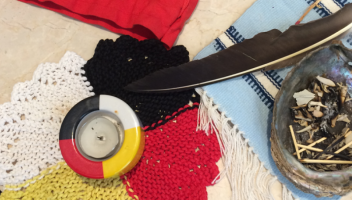
Support for First Nations Communities
This page provides key resources and supports available to address the needs of First Nations' persons and communities during this pandemic to prevent and/or delay the spread of COVID-19.
Chiefs of Ontario (COO) and the Nishnawbe Aski Nation (NAN)
RNAO strengthens its relationship with Chiefs of Ontario (COO) and the Nishnawbe Aski Nation (NAN). In 2016, RNAO signed a letter of intent with then-Chief Isadore Day. In 2019, RNAO and COO held a formal signing ceremony.
Best Practice Spotlight Organization® (BPSO)
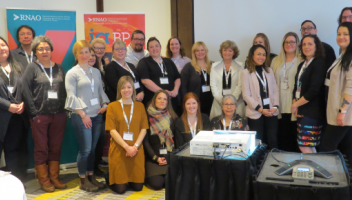
RNAO is working with 17 Indigenous organizations across Ontario to create a tailored program to honour Indigenous ways of knowing and to support holistic community wellness. Indigenous traditional and western best practices have been integrated to strengthen health and wellness. Read more about the Indigenous- focused BPSOs in the RN Journal: BPSO special issue: 20th anniversary.
Indigenous-focused BPSO Journey
The first cohort of Indigenous-focused BPSOs share their lessons learned and success stories. Each of these organizations offers unique health and social services. Their common goal is the quality of life of Indigenous individuals and communities where health providers work and live.
Watch the video
BPSO program welcomes new partners at BPSO Launch, 2026
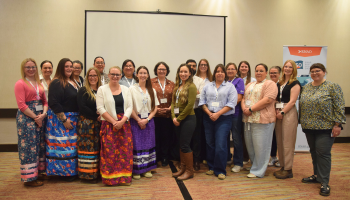
April 14, 2026 - The launch provided a forum for representatives from incoming Indigenous-focused BPSOs to meet and discuss the expectations of the BPSO initiative, identify key milestones and engage in preparations for guideline implementation and evaluation as a BPSO collective. RNAO welcomes Dilico Anishnabek Family Care, Independent First Nations Alliance, Keewaytinook Okimakanak (KO), Kitchenuhmaykoosib Inninuwug (Big Trout Lake) Nursing Station, Sioux Lookout Meno Ya Win Health Centre, Six Nations Family Health Team and Tsi Kanonhkhwatsheriyo Indigenous Interprofessional Primary Care Team (IIPCT) to the BPSO movement!
Read more
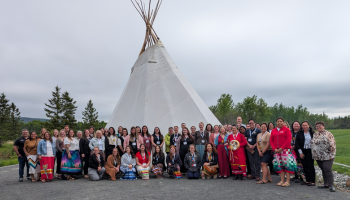
BPSO Indigenous-focused Symposium, Thunder Bay, 2026
RNAO held its third annual Best Practice Spotlight Organization® (BPSO®) gathering in Thunder Bay on June 10-11, 2026. The event celebrated the achievements and growth of Indigenous-focused BPSOs while creating space for reflection, storytelling and shared learning to guide future action.
Read more
RNAO and Guidelines International Network form partnership to honour Traditional Knowledge in guideline development, 2026
RNAO and the Guidelines International Network (GIN) launched the Indigenous Communities Working Group to advance guideline development rooted in Indigenous knowledge and to promote culturally safe, equitable health care on March 4, 2026.
Learn more
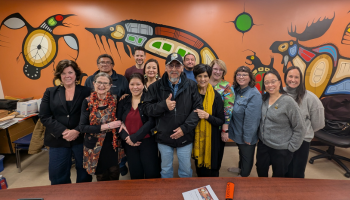
Pikangikum Health Authority visit with Ministry of Health, 2026
On Tuesday March 10, 2026, the RNAO, Dr. Doris Grinspun, CEO, RNAO, Lhamo Dolkar, President, RNAO, Sue LeBeau, President-Elect, RNAO and the Indigenous health team (Grace Suva, Senior Manager, Kate Hanson, Program Manager, and Tanya Costa, Program Coordinator) and the Ministry of Health (Deborah Richardson, Deputy Minister, MOH, Sean Twyford, Assistant Deputy Minister, MOH, and Dr. Karima Velji, Chief of Nursing & Professional Practice, Assistant Deputy MOH) visited Pikangikum First Nation (an Indigenous-focused BPSO) in Pikangikum, Ontario. Donna Williams, RN is the BPSO lead who requested the visit, and Jade Stevens, RN is the champion working with the BPSO lead to implement the adopting e-health solutions BPG.
RNAO has written to Best Practice Spotlight Organization® partners Pikangikum and Sandy Lake First Nations to share care and support as wildfires force evacuations and displace community members. The letters honour the resilience and unity of those affected and reaffirm RNAO’s commitment to walk beside them on the path to recovery with dignity, respect and care.
Call on the premier to withdraw Bill 5 to protect the rights of those living here now and preserve the land for future generations.
Vision for Tomorrow and its recommendations represent the collective experience and expertise of RNAO’s Nurse Practitioner Task Force (NPTF).
RNAO is committed to advocating for and supporting Indigenous leadership in health in the spirit of reconciliation.
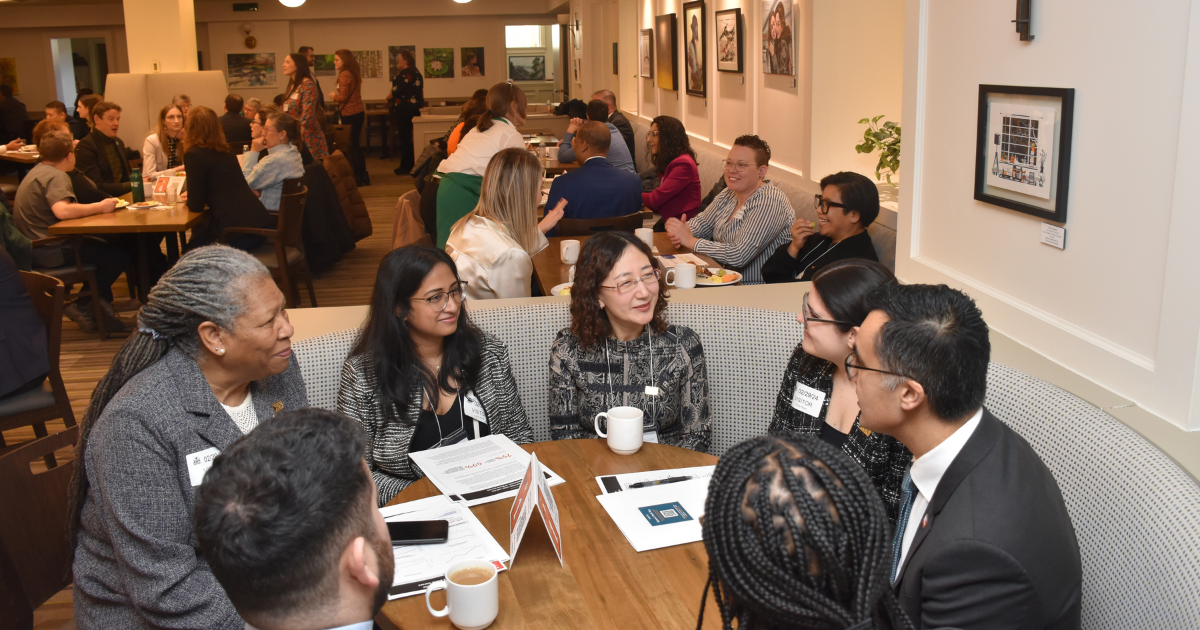
RNAO’s board of directors (BOD) and assembly of leaders brought the issues that matter most to nurses to Queen’s Park on Feb. 29 for the association’s 24th annual Queen’s Park Day.
Partnership engagement is central to planning and delivering Indigenous-focused webinars. These webinars involve collaboration with Nishnawbe Aski Nation, Chiefs of Ontario, Centre for Addiction and Mental Health Shkaabe Makwa, Canadian Indigenous Nurses Association, Ontario First Nations Young Peoples Council, Indigenous Nurses and Allies Interest Group and Indigenous Primary Health Care Council
Promoting Smoking Reduction and Cessation with Indigenous Peoples of Reproductive Age and Their Communities
Smoking (commercial tobacco use) during pregnancy is the most important modifiable risk factor linked to adverse pregnancy and long-term health outcomes for both mother and child. In Canada and worldwide, there is a higher prevalence of commercial tobacco use among perinatal Indigenous women, which is linked to a number of Indigenous and social determinants of health, including colonization. It is likely that most health providers have (or will) encounter Indigenous persons in their daily practice.
Identifying respectful strategies to effectively reduce commercial tobacco use with perinatal Indigenous women and persons is a health system priority. Understanding the many complexities that influence the use of commercial tobacco in Indigenous persons of reproductive age is essential for all health providers and students entering health professions.

© 2026 RNAO. All rights reserved.