

Image

"The pandemic exposed deep structural inequities affecting seniors, racialized communities, Indigenous Peoples and those living in poverty. This is why equity, diversity and inclusion (EDI) must be front and centre in every step of health system transformation, and as nurses we insist that it be."
Enhancing Community Care for Ontarians (ECCO) calls on government and health system partners to strengthen community care and anchor the health system in primary care. Building on the original ECCO report released in 2012, each new version grounds the model in current time and place. ECCO 4.0 takes into account many critical factors in post-pandemic Ontario. Until Ontario's health system stops constraining and misallocating resources, ECCO reports will remain a continuing RNAO policy initiative.
ECCO 4.0 is an urgent call for action. Released more than five years after ECCO 3.0 and more than six years into Premier Doug Ford government’s health system transformation (HST) process, it situates Ontario at a crossroads during a time of overwhelming and growing demand for health care. HST remains a policy with promise, but its roots in expenditure management remain deeply concerning. The pandemic exposed the fragility of our health system, the insufficiency of our social support system and the urgent need to ensure that equity, diversity and inclusion are hallmarks of Ontario society, not just aspirations.
ECCO 4.0 makes clear what path we are on at present – one that appears to be moving away from the goal of equitable and universal health coverage for all Ontarians. It also identifies a better path that leads to a place where health care is a universal human right and where human dignity is a lived value.
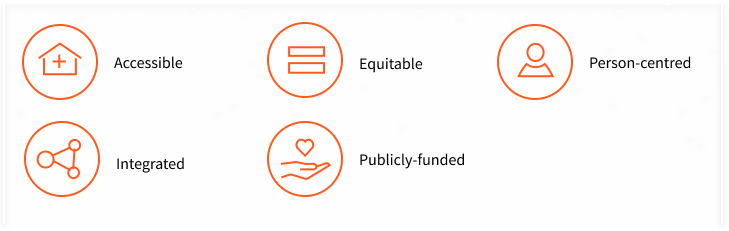
An accessible, equitable, person-centred integrated and publicly funded health system, delivered primarily on a not-for-profit basis. This can only be realized when we have those same attributes in a robust community sector anchored in primary care.
Recommendation # |
Recommendation summary (page in report) |
|
A. Sectoral |
|
|
A1: Public health |
Improve population health by aligning public health and primary care (page 50). |
|
A2: Primary care |
Expand the reach of and access to primary care to ensure all Ontarians are attached to a primary care team (page 54). |
|
Ensure that everyone is attached to a family doctor or nurse practitioner (NP) and has 24/7 access to urgent, non-emergency care. Prioritize the provision of primary care through an interprofessional team-based model (page 54). |
|
Ensure access to primary care services for everyone, without discrimination or differential treatment. Address barriers to care and the impacts of health determinants through community outreach (page 62). |
|
A3: Home care |
Increase access to integrated home and community care services by expanding the publicly funded basket of services. Support and scale home care models within OHTs that promote integration with other sectors (page 66). |
|
A4: Long-term care |
Re-imagine long-term care (LTC) as “home” for residents by integrating nursing homes into enhanced community care plans and funding (page 70). |
|
B. Cross-sectoral |
|
|
B1: Person-centred care |
Establish person-centred approaches to care that prioritize health promotion and disease prevention, and incorporate principles of equity, diversity and inclusion (EDI), and community engagement (page 76). |
|
B2: Integrated and coordinated care |
Ensure comprehensive care coordination, based in primary care, is available to all Ontarians 24/7 (page 80). |
|
B3: Evidence-based care |
Demonstrate a commitment to evidence-based practice across the health system (page 83). |
|
B4: Digital health |
Optimize digital health technologies to improve access, enhance integration and support person-centred care (page 87). |
|
B5: Scope of practice |
Optimize the contributions of registered nurses, nurse practitioners and other regulated health professionals by enabling them to work to their full scope of practice (page 91). |
|
C. Nursing careers in Ontario |
|
|
C1: Nurse retention and recruitment
|
Build nursing careers in Ontario by implementing retention and recruitment initiatives, including improved compensation (page 96). |
|
C2: Nurse compensation |
Ensure fair compensation for nurses by increasing pay, harmonizing wages upwards to address sector disparities, and aligning with competing jurisdictions (page 102). |
|
D. Health system transformation |
|
|
D1: Primary care networks |
Strengthen primary care leadership, coordination, and social service integration in OHTs to improve patient care (page 104). |
|
D2: Mental health and addiction networks |
Engage mental health and addiction (MHA) networks in OHT planning and decision making (page 107). |
|
D3: Funding to promote the Quintuple Aim |
Ensure Ontario Health Teams are funded in ways that advance the Quintuple Aim (page 109):
|
|
E. Determinants of health |
|
|
E1: Fiscal effort and social determinants of health |
Increase the fiscal effort of government to address the social determinants of health, with an immediate focus on housing and food and income security, particularly rates under Ontario Works and the Ontario Disability Support Program (page 112). |
|
E2: Environmental determinants of health |
Mitigate climate-related impacts and strengthen climate resilience and health equity by advancing a low-carbon economy, accelerating the clean energy transition, and ensuring health system preparedness (page 120). |
ECCO 4.0 calls for a transformative and urgent shift in Ontario’s health system – from a reactive, hospital-centred model to one that is proactive, equitable, and grounded in community-based, integrated care. This shift must be aligned with a publicly funded, not-for-profit system that serves the health and wellbeing of Ontarians – not the interests of private investors. The time for bold, decisive action is now. Without meaningful reforms guided by the ECCO model, Ontario will continue to face widening health inequities, system inefficiencies, rising costs, and worsening outcomes – especially for those already marginalized and underserved.
In contrast, the ECCO model offers a comprehensive, evidence-informed roadmap toward a more sustainable, inclusive, and high-performing health system – one where every Ontarian can access the care they need, when and where they need it. Anchored in primary care and delivered by interprofessional teams committed to equity, people’s centredness, and collaboration, ECCO sets a clear direction for reform. Ontario must choose this path. The health and wellbeing of current and future generations depend on it.
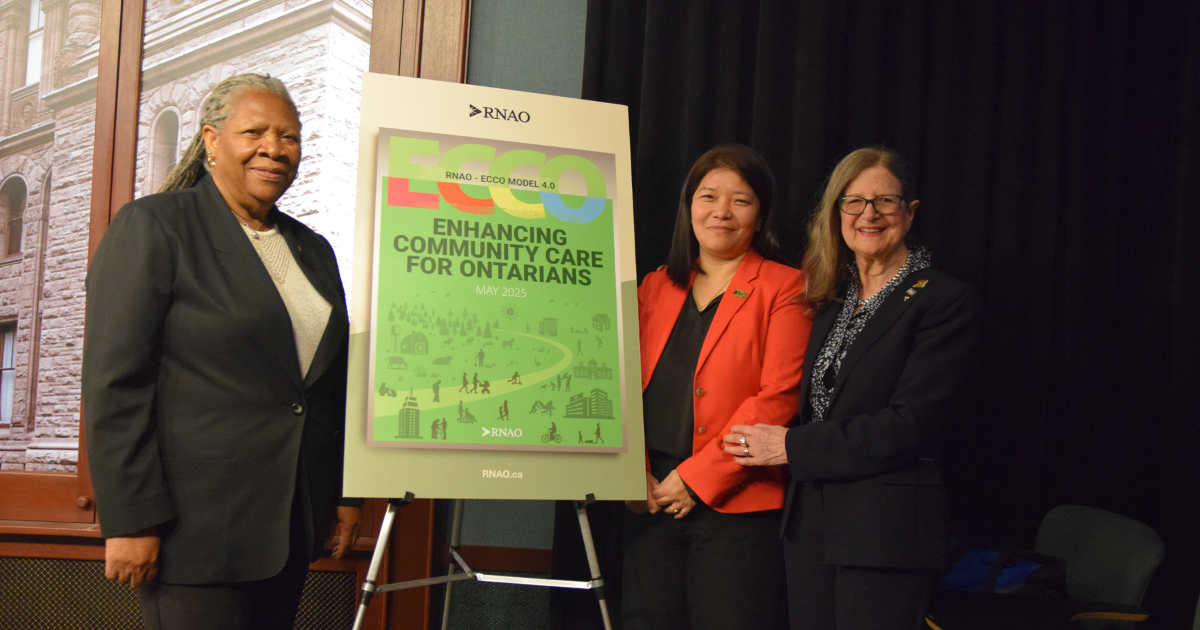
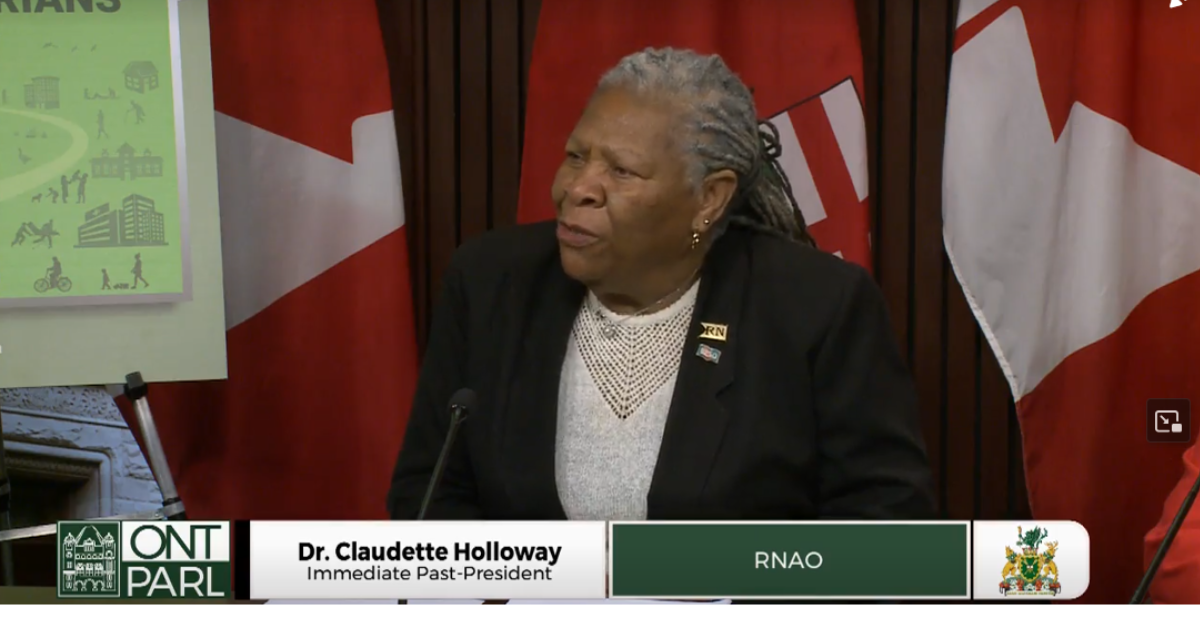
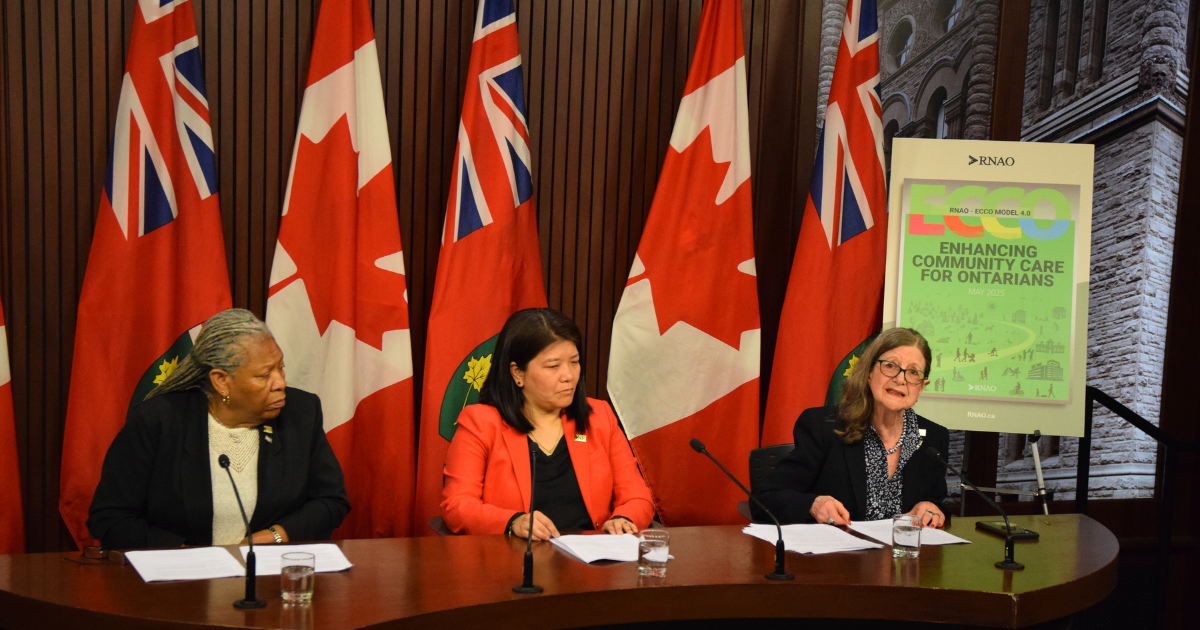
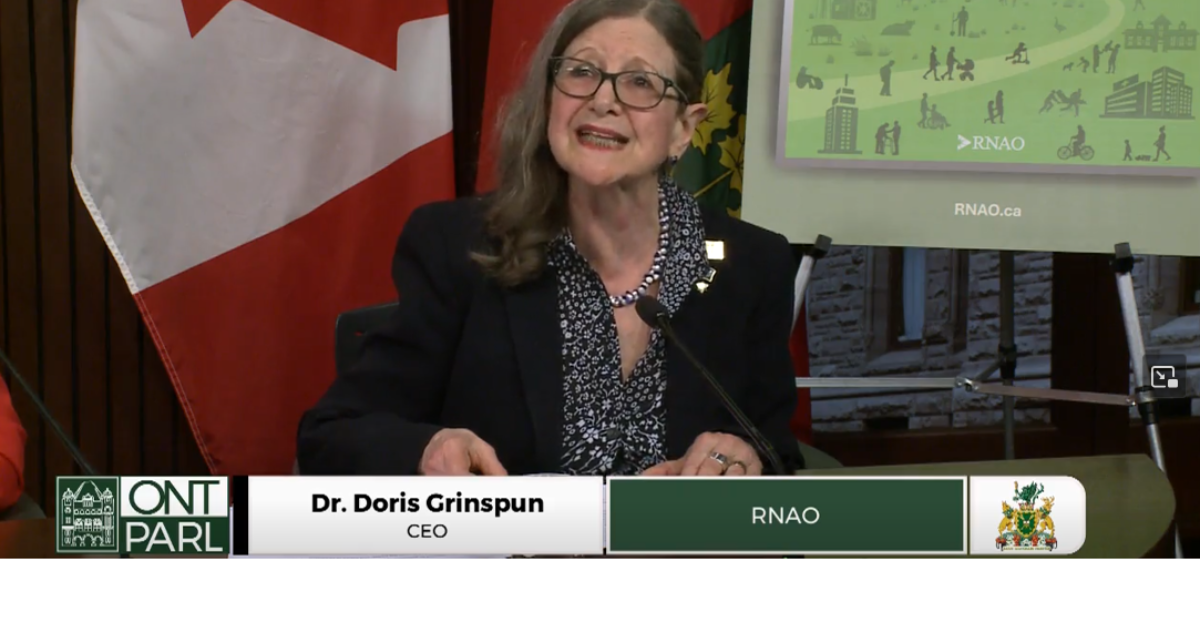
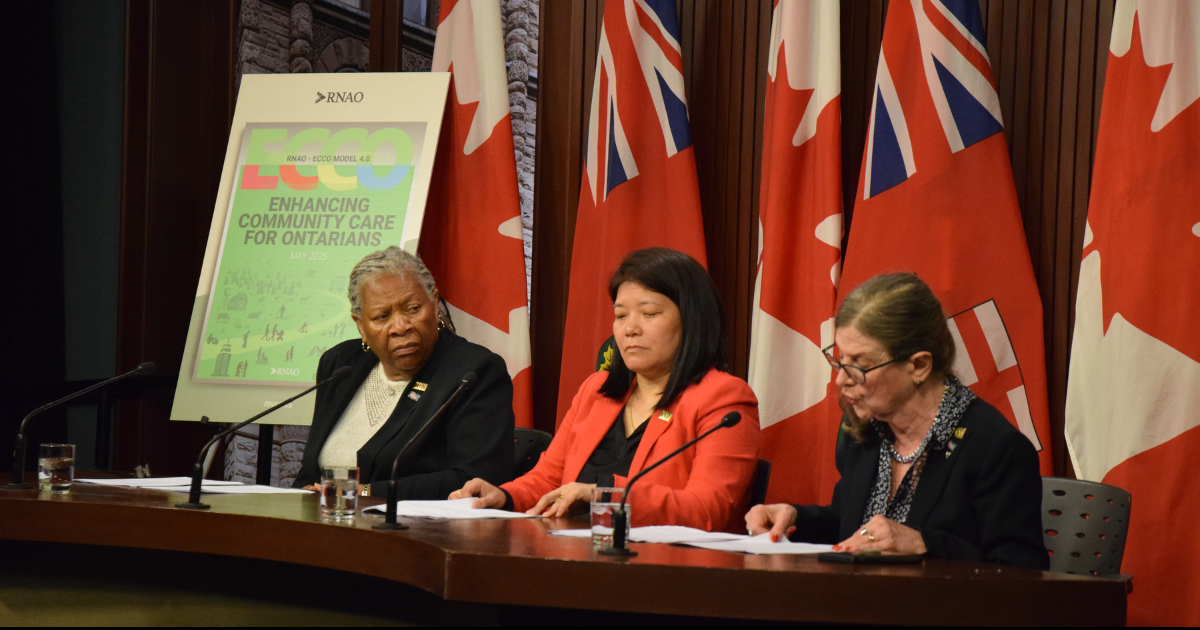
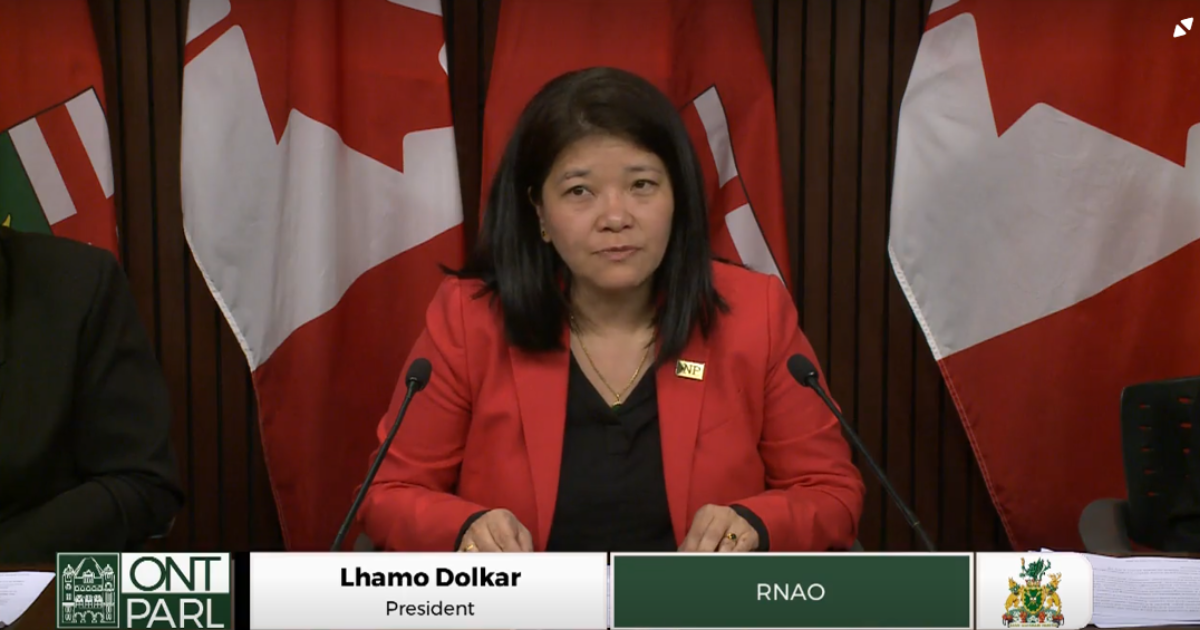
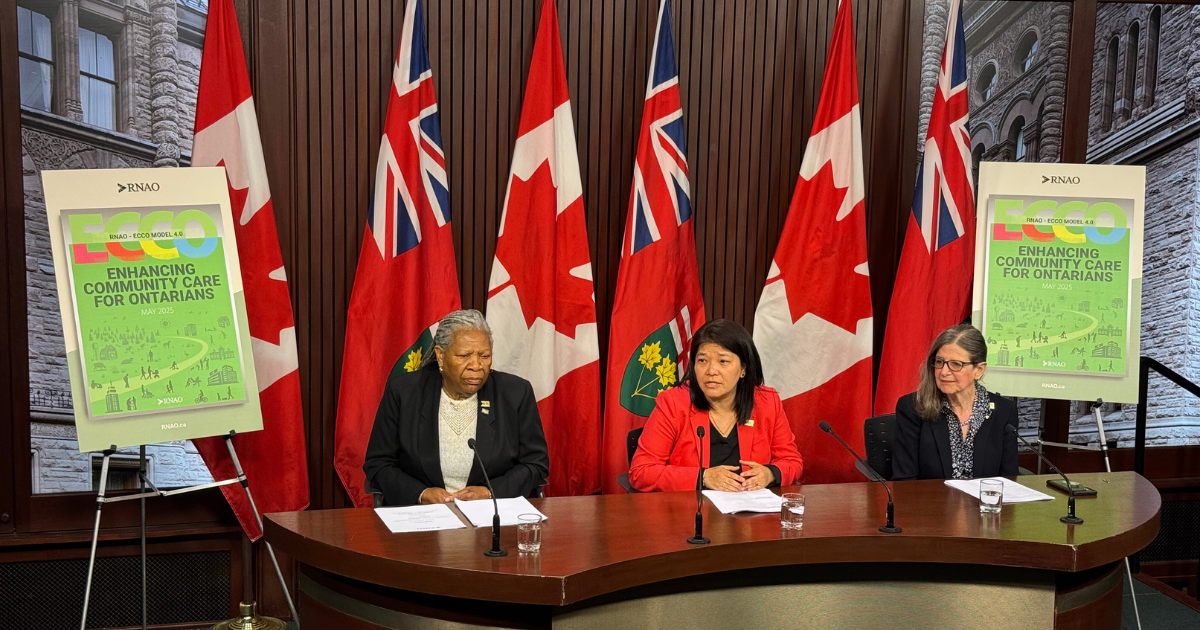
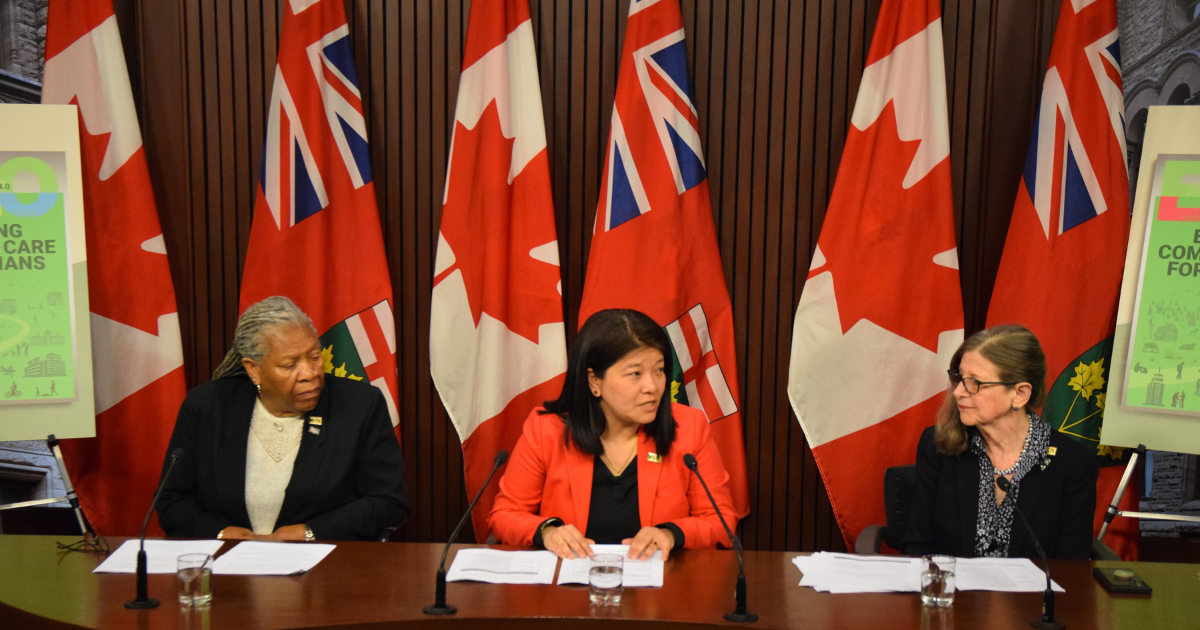
Take a look at the photo gallery from the report launch below:


© 2026 RNAO. All rights reserved.